There’s something interesting about the way many of us approach life in Germany.
We plan our degrees.
We plan our job moves.
We plan relocation down to the smallest detail.
But when it comes to money?
We mostly just… figure it out as we go.
That was one of the quiet realities that surfaced during NNPG’s recent financial planning webinar, and it hit harder than expected.
“Earning is not the same as being financially secure.”
That line stayed with me long after the session ended.
Because if we’re honest, a lot of professionals, especially those who have moved from Nigeria to Germany assume that once income is stable, everything else will naturally fall into place.
But Germany doesn’t quite work like that.
It’s structured. Predictable. System-driven.
And if you don’t understand how that system works financially, you can earn well and still feel… stuck.
The Simple Formula That Isn’t So Simple
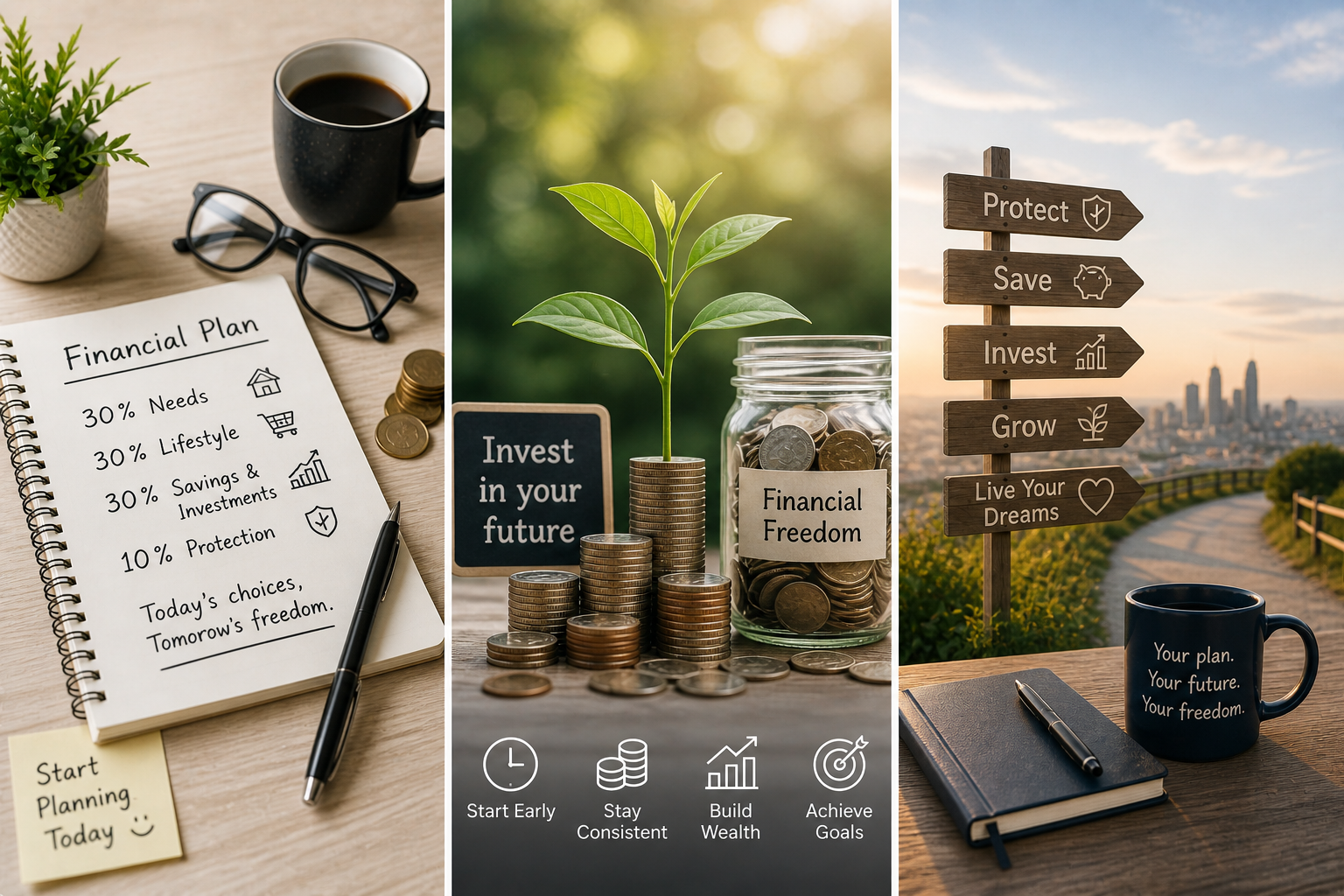
One of the most practical things shared during the session was the 30-30-30-10 model.
At first glance, it sounds straightforward:
- 30% living
- 30% lifestyle
- 30% saving
- 10% protection
But once you start mentally plugging in your own numbers, it becomes clear:
Most people aren’t anywhere close.
Rent alone can eat past 30%.
Lifestyle quietly expands.
Savings get whatever is left, that is if anything is left.
And insurance? That’s usually an afterthought.
The Part That Felt Uncomfortable (But Necessary)
One moment during the webinar stood out.
We insure our phones.
We insure our cars.
We insure almost everything we can replace.
But we don’t insure the one thing that actually pays for all of it:
Our ability to earn.
It’s one of those truths that makes you pause a bit.
Because the system in Germany does support you, but only to a point. And often, that point is lower than your current lifestyle.
Why This Hits Differently for Nigerians in Germany
Back home, there’s often some kind of fallback:
Family. Friends. Community.
Here?
You’re largely building from scratch.
And that means financial mistakes don’t just set you back, they can isolate you.
That’s why sessions like this matter. Not because they give you quick answers, but because they force you to ask better questions.
Final Thought
The webinar didn’t try to sell a perfect system.
If anything, it did the opposite.
It reminded everyone in the room that:
Financial stability is something you build intentionally—slowly, deliberately, and with clarity.
And maybe that’s the real takeaway.
Not that you need to have everything figured out.
But that you probably shouldn’t keep winging it.